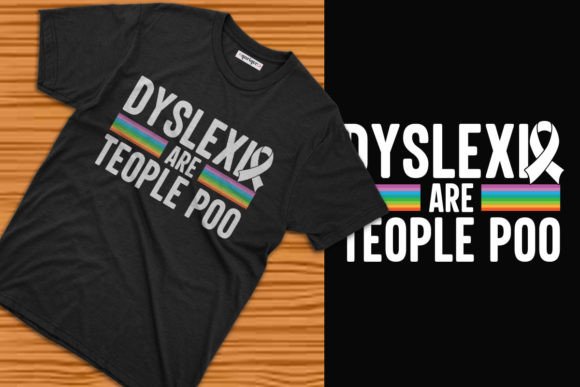
Dyslexia Are Teople Poo T-shirt Design: A Creative Resource for Awareness and Style
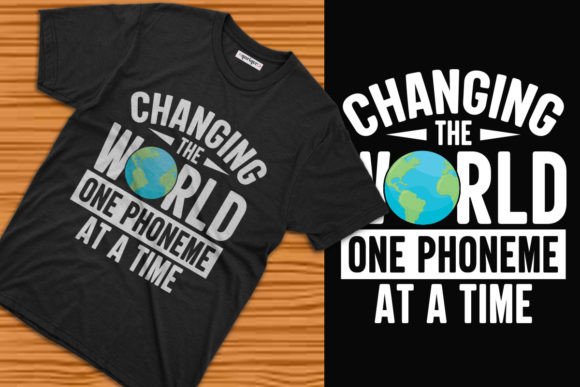
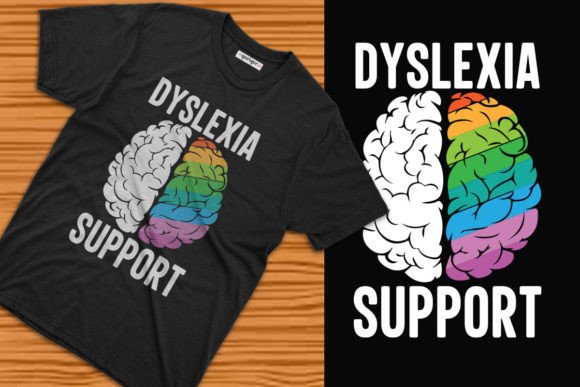
In the world of visual communication, few topics bridge the gap between social advocacy and creative expression as effectively as neurodiversity awareness. If you are a designer seeking impactful graphic design assets that resonate with modern audiences, exploring unique typography-driven projects is essential. One such compelling concept involves the playful yet poignant phrase often associated with dyslexia awareness, sometimes colloquially referred to in niche circles or specific meme cultures as "Dyslexia Are Teople Poo." While the phrasing may seem unconventional at first glance, it represents a powerful opportunity for brand identity work that combines humor, relatability, and support for the dyslexic community.
This article explores how leveraging this specific typographic theme can enhance your creative projects, particularly within the print-on-demand sector. By understanding the nuances of visual hierarchy and modern aesthetics, designers can transform simple text into memorable merchandise that sparks conversation and fosters inclusivity.
The Intersection of Typography and Social Advocacy
Typography is more than just arranging letters; it is about conveying emotion and intent. When designing for causes like World Dyslexia Awareness, the choice of font, color palette, and layout plays a critical role in how the message is received. The "Dyslexia Are Teople Poo" design trend offers a lighthearted approach to a serious topic, allowing creators to engage users without being overly clinical or somber. This balance is crucial for effective digital marketing and social media graphics, where attention spans are short and emotional connection is key.
For professionals in web design and UI/UX design, understanding how text distortion or playful misalignment can mimic the experience of dyslexia adds depth to user experience considerations. However, when applied to physical products like t-shirts, the goal shifts toward clarity and style. A well-executed print design ensures that the message remains legible while retaining its artistic flair, demonstrating a high level of professional presentation.
Practical Applications for Print-on-Demand Businesses
Whether you are running an Etsy shop, a Shopify store, or creating personal merch, having versatile design assets is vital. The latest templates available for this design theme are crafted to be fully customizable, making them ideal for both beginners and seasoned experts. These assets streamline your design workflow, allowing you to focus on branding rather than starting from scratch.
Here are some practical ways to utilize these designs across various platforms:
- Apparel Line Expansion: Use the design on T-shirts, hoodies, jumpers, and sweatshirts. The bold typography stands out against various fabric colors, enhancing visual impact.
- Lifestyle Products: Extend the brand identity to mugs, pillows, and bags. Consistent use of the same color palette and logo elements strengthens brand recognition.
- Digital Promotions: Create stickers and poster cards for online giveaways or event promotions. High-resolution PNG files ensure crisp quality across all screen sizes.
- Editorial and Packaging: Incorporate the aesthetic into packaging inserts or editorial layouts for magazines focusing on neurodiversity, adding a touch of modern aesthetics.
Technical Specifications and File Formats
To ensure maximum flexibility, top-tier design resources provide multiple file formats. This versatility allows you to adapt the artwork for different production methods, whether it’s direct-to-garment printing, vinyl cutting, or digital publishing. Typically, you will receive access to:
- AI (Adobe Illustrator) Files: For vector-based editing and scaling without loss of quality.
- EPS Files: Compatible with a wide range of professional design software.
- SVG Files: Ideal for web use and vector cutting machines.
- PNG Files: Ready-to-use raster images with transparent backgrounds for quick uploads.
Evaluating Design Quality and Usability
When selecting a template, consider factors such as scalability and readability. A good logo design or typographic piece must look equally impressive on a small sticker and a large hoodie. Look for designs that maintain their visual integrity across different scales. Additionally, check if the color modes are CMYK for print and RGB for digital, ensuring accurate color reproduction.
Furthermore, assess the ease of customization. Can you easily swap out fonts? Is the layer structure organized? These details significantly reduce production time and allow for greater creative control. By choosing templates that prioritize clean code and organized layers, you invest in a smoother design process and higher-quality final outputs.
Ultimately, thoughtful design choices do more than just sell products; they communicate values. By incorporating inclusive themes like dyslexia awareness into your portfolio, you demonstrate empathy and cultural relevance. This approach not only elevates your brand identity but also connects with consumers who value authenticity and social responsibility. Embrace these creative assets to elevate your creative projects and make a meaningful impact through design.