Reclaiming the Handwritten Touch: Why Wallen Is Reshaping Personal Branding and Design Aesthetics
In an era dominated by algorithmic feeds, automated customer service, and sterile corporate minimalism, there is a palpable hunger for authenticity. Consumers and professionals alike are seeking connections that feel human, tangible, and genuine. This cultural shift has given rise to a renewed appreciation for analog aesthetics in digital spaces, where the imperfections of handwriting convey trust and personality in ways that rigid sans-serif fonts cannot. Enter Wallen, a typeface that has rapidly emerged as a favorite among designers, entrepreneurs, and creative professionals who understand that elegance and charm are not just visual traits but emotional triggers.
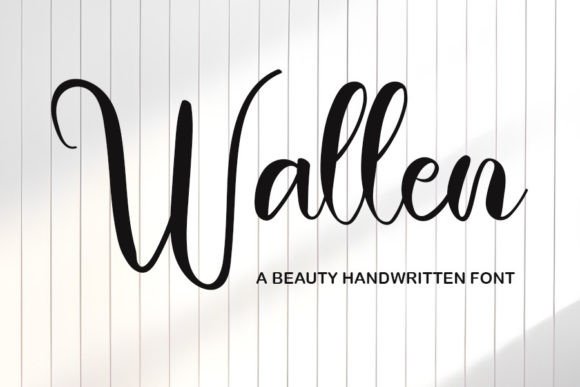
Wallen feels equally charming and elegant. It looks stunning on wedding invitations, thank you cards, quotes, greeting cards, logos, business cards, and every other design which needs a handwritten touch. But to view Wallen merely as a decorative font is to miss its strategic value in modern branding. It represents a bridge between traditional craftsmanship and contemporary digital distribution, offering a solution to the growing problem of digital fatigue and impersonal communication.
The Psychology of Handwriting in Digital Design
To understand why Wallen is gaining traction, one must first examine the psychological impact of handwriting. Research in consumer psychology suggests that handwritten notes trigger a sense of reciprocity and personal investment. When a brand uses a typeface like Wallen, it signals effort. It suggests that someone took the time to craft the message, even if that "crafting" was done digitally through a carefully selected font.
This is particularly relevant for freelancers, small business owners, and marketers who compete with larger corporations on budget but can win on connection. A logo designed with Wallen does not just display a name; it displays a voice. It softens the corporate edge, making a brand appear more approachable, friendly, and trustworthy. For instance, a boutique coffee shop using Wallen for its menu or packaging immediately communicates artisanal quality and care, distinguishing itself from chains that rely on standardized, mass-produced typography.
Furthermore, the legibility of Wallen strikes a delicate balance. Many script fonts sacrifice readability for style, leading to frustration for users trying to decipher a URL or a price point. Wallen, however, maintains a high degree of clarity while retaining the organic flow of ink on paper. This functional elegance makes it suitable not just for artistic endeavors but for practical applications where clear communication is paramount.
Bridging Tradition and Modern Workflow
The integration of Wallen into professional workflows reflects a broader trend in the creative industry: the blending of analog warmth with digital efficiency. In the past, achieving a handwritten look required custom calligraphy, which was expensive, time-consuming, and difficult to scale. Today, tools like Adobe Illustrator, Figma, and Canva allow designers to incorporate high-quality typefaces like Wallen instantly.
This accessibility has democratized design. A solo entrepreneur no longer needs to hire a calligrapher to create a beautiful thank-you note for their clients. They can download Wallen, apply it to a template, and produce materials that rival bespoke designs. This shift empowers creators to maintain a consistent brand identity across all touchpoints, from email signatures to social media graphics, without compromising on aesthetic quality.
Moreover, the versatility of Wallen supports agile marketing strategies. In a fast-paced digital environment, brands need to adapt quickly. Whether launching a new product, announcing a holiday sale, or sharing a customer testimonial, Wallen provides a versatile toolkit. Its ability to convey both formality and informality allows brands to pivot their tone without losing visual cohesion. A wedding invitation might use Wallen in a large, sweeping display to evoke romance, while a business card might use it in a smaller, refined size to suggest professionalism.
Strategic Applications Across Industries
The utility of Wallen extends far beyond the stationery aisle. Its application in various sectors highlights its adaptability and broad appeal. Let us explore how different professionals are leveraging this typeface to enhance their work.
- Wedding and Event Industry: For wedding planners and photographers, Wallen is a staple. It captures the essence of celebration and intimacy. Couples often choose it for save-the-dates and menus because it feels personal and timeless, avoiding the trends that may date a design within a few years.
- Health and Wellness: Therapists, yoga studios, and wellness coaches use Wallen to create a calming atmosphere. The gentle curves of the letters mirror the fluidity of movement and the softness of self-care, reinforcing the brand’s commitment to well-being.
- Fashion and Beauty: Boutique fashion labels and indie beauty brands utilize Wallen for its chic, editorial look. It adds a layer of sophistication to product labels and social media posts, helping these brands stand out in a crowded marketplace filled with bold, aggressive branding.
- Education and Non-Profits: Organizations focused on community building and education find Wallen effective for newsletters and fundraising appeals. It humanizes the cause, reminding donors and students that there are real people behind the mission.
These examples illustrate that Wallen is not just a font choice; it is a strategic tool for emotional engagement. By selecting a typeface that evokes specific feelings, businesses can align their visual identity with their core values and messaging.
Addressing the Needs of the Modern Consumer
Why are people paying attention to Wallen now? The answer lies in the changing expectations of consumers. We live in a world of instant gratification and disposable content. As a result, items that require patience and attention—like a handwritten letter or a beautifully designed invitation—hold greater perceived value. This phenomenon, often referred to as the "slow living" movement, influences consumer preferences across industries.
Consumers are increasingly drawn to brands that demonstrate authenticity and transparency. Wallen contributes to this narrative by mimicking the unique irregularities of human handwriting. No two instances of handwriting are exactly alike, and while digital fonts are precise, the *feel* of Wallen introduces a subtle variation that suggests humanity. This is crucial for building long-term loyalty. Customers do not just buy products; they buy stories and experiences. Wallen helps tell those stories with grace and character.
Additionally, the rise of remote work and digital nomadism has created a need for personal branding that transcends physical presence. Freelancers and consultants must establish credibility online. Using Wallen in proposals, portfolios, and website headers adds a layer of polish and personality that helps them connect with potential clients on a deeper level. It signals that they are detail-oriented and care about the presentation of their work.
Best Practices for Using Wallen Effectively
While Wallen is a powerful asset, its effectiveness depends on how it is used. To maximize its impact, professionals should adhere to certain best practices that ensure readability and aesthetic harmony.
- Pairing with Complementary Fonts: Wallen works best when paired with clean, simple sans-serif or serif fonts. The contrast between the elegant script and the straightforward body text creates visual interest without overwhelming the reader. For example, using Wallen for headlines and a neutral sans-serif for paragraphs ensures that the design remains accessible.
- Mindful Use of Space: Handwritten-style fonts often have varying stroke widths and flourishes. Giving Wallen enough white space allows its details to breathe. Crowding the text can make it difficult to read and diminish its elegance.
- Contextual Appropriateness: While Wallen is versatile, it is not suitable for all contexts. Technical documentation, legal contracts, or data-heavy reports may require more utilitarian fonts. Reserve Wallen for elements where emotion and personality are desired, such as headers, quotes, and branding elements.
- Consistency in Tone: Ensure that the use of Wallen aligns with the overall brand voice. If a brand is serious and data-driven, overusing Wallen might undermine its authority. Conversely, a playful and creative brand can use Wallen extensively to reinforce its identity.
The Future of Typography in a Digital World
As technology continues to evolve, the role of typography will only become more significant. With the advent of AI-generated content, the risk of homogenization in design increases. Brands that differentiate themselves through thoughtful, human-centric design choices will have a competitive advantage. Wallen exemplifies this approach by bringing a human element to digital platforms.
We can expect to see further innovation in variable fonts and dynamic typography that respond to user interaction. However, the fundamental desire for connection and authenticity will remain constant. Typefaces like Wallen serve as anchors in this evolving landscape, providing a sense of stability and familiarity. They remind us that despite the advancements in technology, the human hand—and the heart behind it—remains the most powerful tool in design.
For professionals, creators, and enthusiasts, embracing Wallen is not just about adopting a trendy font. It is about making a conscious decision to prioritize empathy, elegance, and personal touch in their communications. In a market saturated with noise, standing out requires more than just visibility; it requires resonance. Wallen offers a way to resonate, to charm, and to leave a lasting impression on every audience that encounters it.
Whether you are designing a wedding invitation that sets the tone for a lifetime of memories, a business card that opens doors to new opportunities, or a thank-you card that strengthens client relationships, Wallen provides the perfect vessel for your message. It is a testament to the enduring power of good design: to communicate not just what we say, but how we feel. By integrating Wallen into your workflow, you are not just choosing a typeface; you are choosing to bring a little more humanity into the digital world.