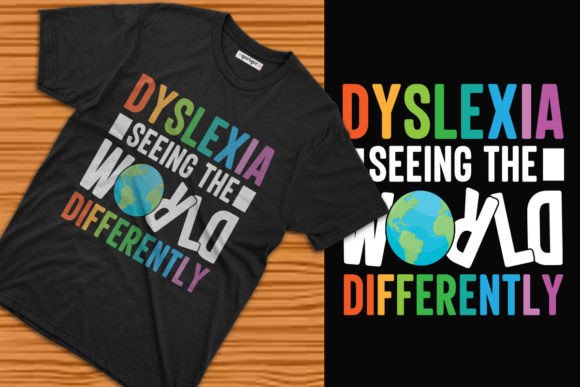
Dyslexia Seeing the World Differently
Neurodiversity is not a deficit; it is a different operating system for the human mind. For millions of people, dyslexia represents a unique cognitive architecture that prioritizes spatial reasoning, narrative thinking, and holistic pattern recognition over linear processing. This perspective, often summarized by the phrase "Dyslexia: Seeing the World Differently," challenges traditional educational and professional norms while offering profound creative advantages. As awareness grows, so does the opportunity to celebrate this neurotype through meaningful design, advocacy, and community building.
For entrepreneurs, designers, and content creators, understanding this perspective is key to creating authentic, resonant products. It moves beyond simple awareness into active appreciation. By leveraging high-quality, customizable design assets, you can create merchandise that speaks directly to the dyslexic experience—whether for personal pride, professional solidarity, or supporting loved ones. The following guide explores how to harness this powerful message in your print-on-demand business or personal projects.
The Creative Advantage of Neurodivergent Thinking
To design effectively for this audience, one must first understand the strengths associated with dyslexia. Research and anecdotal evidence from the dyslexic community highlight several core competencies:
- Big Picture Thinking: Dyslexic individuals often excel at seeing connections between disparate ideas, making them natural strategists and innovators.
- Narrative Reasoning: Many possess a strong ability to tell stories and communicate complex concepts through visual or verbal narratives rather than dry data.
- Visual-Spatial Skills: There is a heightened capacity for mental rotation, 3D visualization, and artistic expression.
- Empathy and Emotional Intelligence: Navigating a world designed for non-dyslexic minds often fosters deep empathy and interpersonal skills.
When you incorporate these themes into your designs, you are not just selling a shirt; you are validating an identity. The phrase "Seeing the World Differently" serves as a proud declaration of this unique viewpoint. It reframes a learning difference as a distinct lens through which creativity flows.
Designing for Impact: From Concept to Product
In the crowded landscape of print-on-demand (POD), standing out requires more than just a catchy slogan. It requires thoughtful execution. Our latest design template captures the essence of this movement with a fresh, modern aesthetic that appeals to adults aged 20–50. Whether you are targeting fellow creatives, educators, or individuals on their own neurodiversity journey, the versatility of the design ensures broad appeal.
Typography as Visual Metaphor
Since the topic is dyslexia, typography plays a crucial role. However, good design for this cause does not mean sacrificing readability. Instead, it involves using font weights, spacing, and layout to create rhythm and flow. A well-designed typographic piece can demonstrate that clarity and style can coexist. Our template allows you to experiment with layering text over abstract shapes or incorporating subtle visual cues that represent neural pathways or puzzle pieces—symbols often associated with problem-solving and connectivity.
Versatility Across Products
A single powerful design can live across multiple touchpoints. Consider how the message translates when printed on different mediums:
- Apparel (T-Shirts, Hoodies, Sweatshirts): These are walking billboards for awareness. A bold, centered design on a high-quality hoodie creates a sense of comfort and belonging. It signals to others that the wearer is part of a supportive community.
- Accessories (Mugs, Stickers, Bags): Smaller items offer lower-risk entry points for customers. A sticker on a laptop or a mug in an office setting can spark conversations about neurodiversity in everyday environments.
- Home Decor (Pillows, Posters): For interior-focused audiences, softer color palettes or minimalist line art versions of the design can fit seamlessly into home offices or study spaces, promoting a positive mindset.
Technical Excellence for Professional Results
One of the biggest hurdles for beginners in POD is technical proficiency. File compatibility, resolution, and color modes can be daunting. That is why our template is built for efficiency and quality. We provide a comprehensive suite of file formats to ensure your designs look crisp whether they are being screen-printed, DTG (Direct-to-Garment) printed, or used digitally.
What You Get:
- 👉 AI File: Perfect for professional designers who need full editing capabilities in Adobe Illustrator.
- 👉 EPS File: Ideal for vector-based workflows and scalability without loss of quality.
- 👉 SVG File: Essential for cutting machines (like Cricut or Silhouette) and web-based graphics.
- 👉 PNG File: Ready-to-use raster images with transparent backgrounds for quick uploads to POD platforms.
This multi-format approach saves significant time. You do not need to recreate the design for each platform or client. Simply select the appropriate file type for your production method. For professionals, this streamlines the workflow. For beginners, it removes the technical barrier to entry, allowing you to focus on marketing and customer engagement.
Marketing Your Message Authentically
When promoting your "Dyslexia: Seeing the World Differently" collection, authenticity is your strongest asset. Avoid generic stock imagery or overly sentimental language. Instead, focus on empowerment, community, and practical benefits.
Tailoring to Different Audiences
- For Educators and Schools: Highlight how wearing such apparel can foster inclusivity in classrooms. Position the product as a tool for sparking dialogue about learning differences.
- For Corporate Diversity & Inclusion (DEI) Initiatives: Frame the design as a symbol of cognitive diversity in the workplace. Companies are increasingly recognizing the value of neurodivergent employees in tech, engineering, and creative fields.
- For Personal Use: Encourage customers to share their stories. User-generated content featuring the design can build trust and social proof within the community.
Content Strategy Tips
Create blog posts or social media captions that explain what "seeing the world differently" means to you or your brand. Share facts about dyslexia, such as its prevalence (affecting up to 20% of the population) or famous successful individuals with dyslexia (like Richard Branson, Whoopi Goldberg, and Charles Schwab). This adds educational value to your marketing, positioning your store as a knowledgeable resource rather than just a retailer.
Best Practices for Design Consistency
To maintain a professional brand image, keep these principles in mind:
- Color Psychology: Use colors that evoke calm, focus, or energy depending on your target mood. Blues and greens often suggest stability and growth, while oranges and yellows can convey creativity and optimism.
- Readability: Ensure sufficient contrast between text and background. While artistic fonts have their place, legibility remains paramount for accessibility.
- Placement: Experiment with pocket prints, back prints, and sleeve details to add variety to your product listings.
By combining a meaningful message with high-quality, versatile design assets, you create products that resonate on an emotional level. The "Dyslexia: Seeing the World Differently" template is more than a graphic; it is a bridge to a community that values unique perspectives. Whether you are launching a new store or refreshing an existing catalog, this design offers a timely, respectful, and commercially viable way to celebrate neurodiversity. Embrace the variation, respect the craft, and let your designs speak to the diverse ways people experience the world.